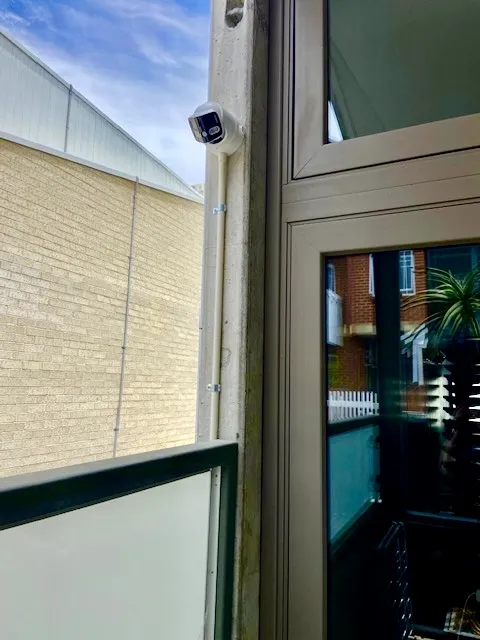
Every build-up season we get the same call-outs: cameras full of condensation, recorders dead after a lightning storm, brackets streaking rust down a rendered wall eighteen months after a southern-spec install. Most of it is preventable — here's what actually matters, and what fails when it's skipped.
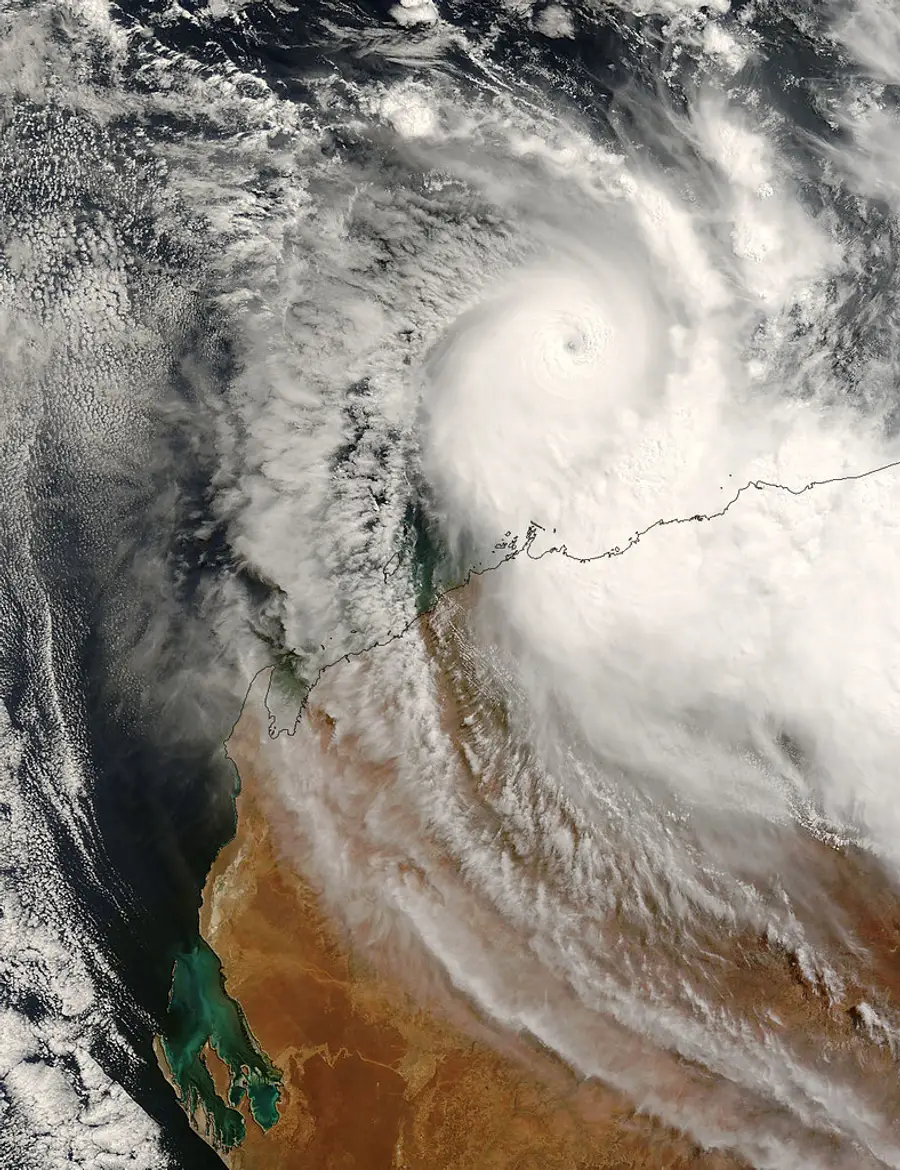
Get a QuoteDarwin sits in the tropical-cyclone region of the Australian wind loading standard — the band the building code treats as cyclonic. Wind rating gets talked about a lot for roofing and sheds and almost never for the small hardware bolted to the outside of a building, which is exactly what a CCTV camera is.
What that means in practice:
Ingress protection ratings tell you two things — dust and water:
Two caveats the spec sheet won't tell you. First, an IP rating describes the housing as manufactured — an installer who drills it for a cable gland and doesn't reseal it properly has voided the physics, whatever the sticker says. Second, ratings don't cover humidity cycling. A camera that breathes 85% humidity air all build-up, then chills overnight, will condense internally unless it has decent seals and a desiccant that gets replaced at service time. Fogged domes in November are the classic symptom — more on that in our wet season CCTV problems rundown.
The dry season is what quietly destroys cheap gear. Six months of high-UV sun perishes non-stabilised plastics: brackets chalk and crack, cable sheaths split, and the first monsoon rain then finds copper through the cracked insulation.
Spec around it:
The Top End is among the most lightning-active regions in Australia, and storm season is when we replace the most electronics. Direct strikes are rare; induced surges — a strike nearby pushing a spike down power or data lines — are routine.
A camera system is a chain of conductors running around your building, and it's only as protected as its worst point:
The pattern we see in storm-damage call-outs is almost always the same: the cameras survive, and the unprotected switch or recorder they all feed into is dead — taking the whole system with it.
Anywhere near the harbour or the northern beaches — Nightcliff, Fannie Bay, Cullen Bay, East Point, the CBD towers — salt-laden air works on every ferrous component continuously. Mild-steel brackets and zinc-passivated screws that would last a decade down south start streaking rust here within a couple of years.
The fix is boring and absolute: 316 stainless fixings and brackets near the coast, every time. Aluminium camera bodies with marine-grade coatings where available. Dielectric grease on connector threads. And a service visit that actually inspects and replaces sacrificial hardware before it fails, which is part of our standard CCTV maintenance scope.
The failure list from any Darwin wet season, ranked by frequency:
None of these are exotic. All of them are specification and workmanship problems, which is why they cluster on systems installed to a southern template. Our cyclone season security page covers how we pre-season-check existing systems.
Tell us about your property and we'll come back with practical options and honest pricing.
We design and install CCTV systems for Top End conditions — cyclone-aware mounting, sealed IP66/IP67 housings, stainless hardware near the coast and surge protection through the whole chain.
Get a Quote